
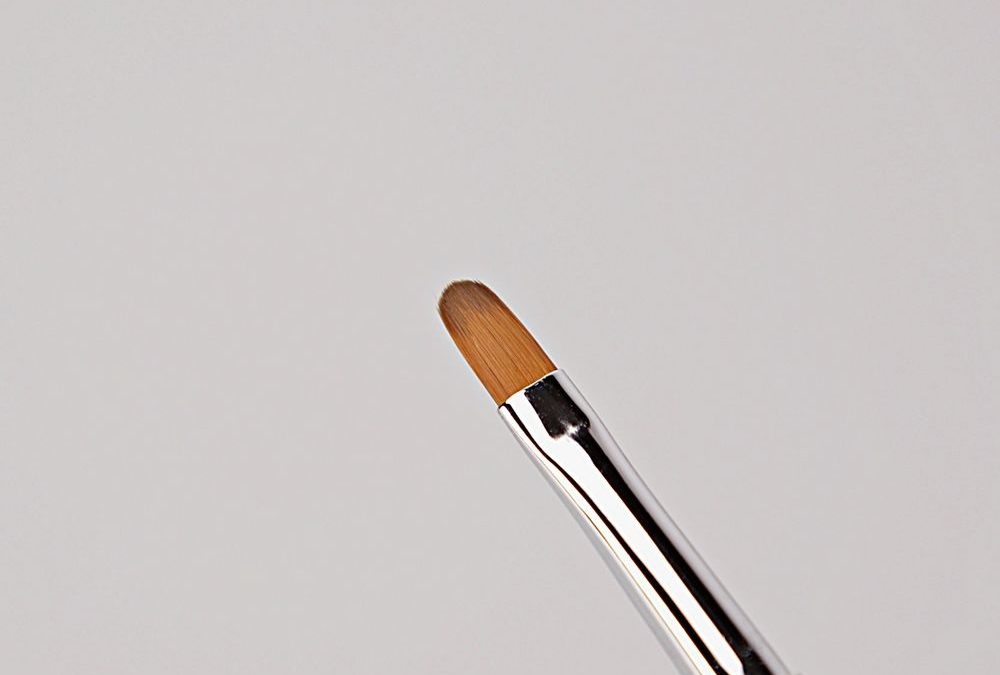
An unexpected way to protect hands during long services is to examine the tool before the technique. This piece looks at Brush0005 — the dual‑ended oval brush and spatula tool — and evaluates how its design choices reduce wrist fatigue for repeat sets.
Prepare the workspace
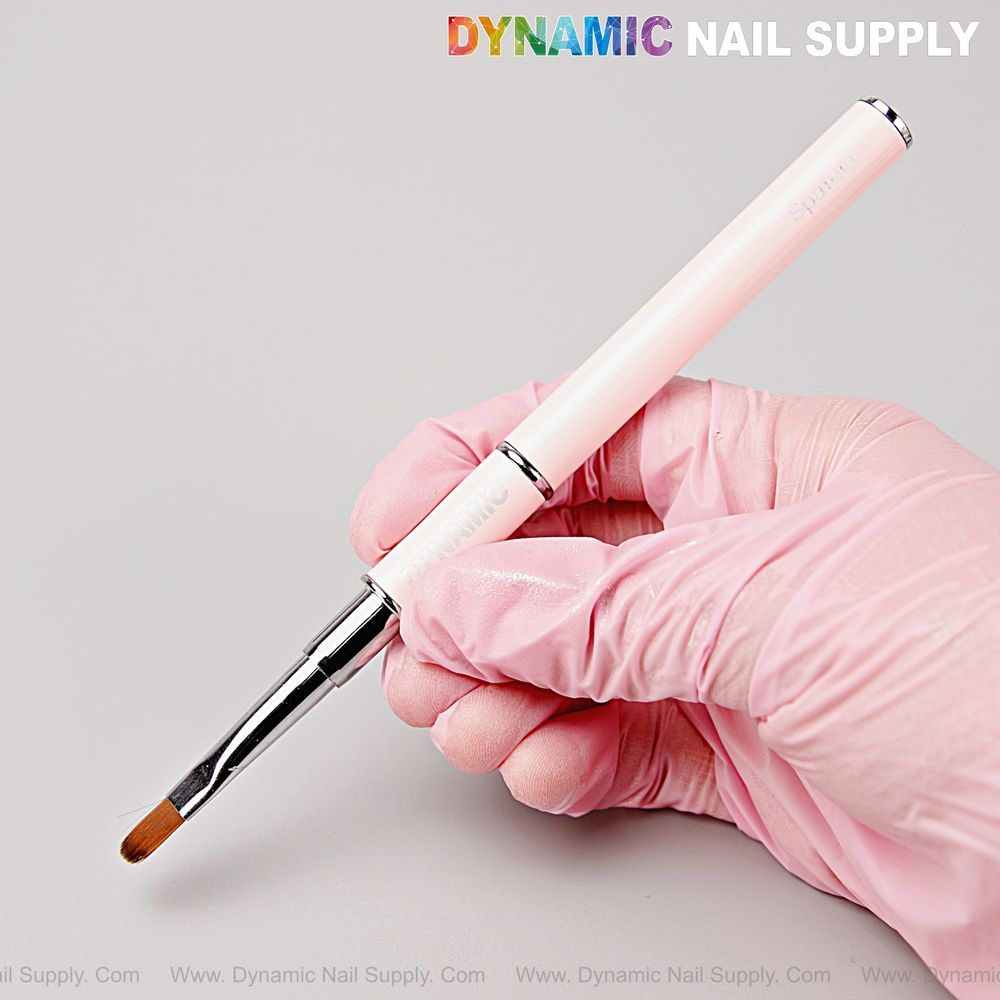
Place the tool, product jars and lamp within a short, comfortable reach to avoid overextending the wrist. The Brush0005’s 5.9‑inch handle and balanced weight support keeping the hand close to the work, which shortens reach and reduces repetitive strain.
Use short movements
- Keep forearm and wrist aligned; move from the elbow rather than flicking the wrist.
- Position the client and lamp so the hand rests flat; this reduces the need to prop the wrist up while using the oval head.
- Keep the spatula end placed near the product so scooping requires minimal extension.
Avoid long reaches
- Do not sit too far back from the station; extended reaches amplify strain even with a balanced handle.
- Don’t store jars or tools in distant drawers between steps; frequent reach increases cumulative load on the wrist.
Common mistake: Setting the lamp too far and using the brush with an outstretched arm, which defeats the ergonomic benefits of a compact handle design.
Apply the product
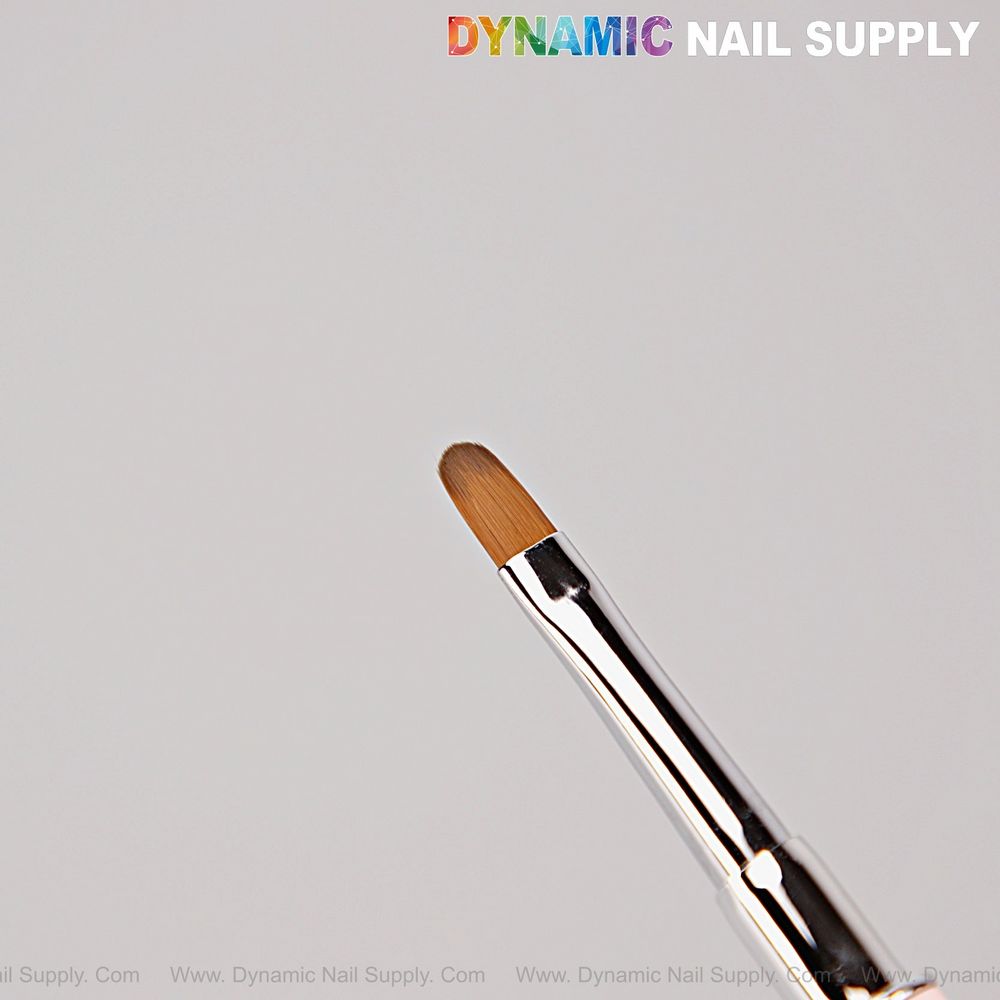
When sculpting with builder gels or PolyGel, the oval brush head on Brush0005 and the flat spatula are arranged to let a single hand position serve multiple actions. That layout lowers the number of grip changes, an important factor in the study of dual head gel brush ergonomics.
Use the oval brush for shaping
- Dip the oval bristles lightly into slip solution and wipe excess; damp bristles glide and require less pressure when smoothing.
- Hold the handle where it balances naturally; the smooth glossy plastic and polished ferrule help the tool sit comfortably in the fingers.
- Use short controlled pats rather than sweeping strokes to limit wrist rotation.
Avoid excessive pressure
- Do not press hard when smoothing; the resilient synthetic filaments are designed to retain shape and guide product with light contact.
- Avoid switching grips repeatedly between spatula and brush; keep transitions minimal to protect tendons.
Common mistake: Applying heavy force when shaping, which increases microstrain and undermines the benefit of a balanced dual‑ended layout.
Clean the tool
Regular, proper cleaning preserves both the tool’s performance and its ergonomic advantage. Chemical resistance in the ferrule and spatula blade allows for frequent cleaning without rapid deterioration, but technique matters for safety and longevity.
Use immediate cleaning steps
- Wipe bristles promptly with a lint‑free wipe dipped in alcohol to remove residue before it cures.
- Keep the stainless steel spatula free of buildup; a clean blade slices product more predictably and requires less corrective motion.
- Use acetone‑free brush cleaner for routine care when recommended; avoid harsh solvents on bristles unless specified safe.
Avoid damaging care habits
- Do not leave the brush wet with product sitting under a lamp or direct sunlight — bristles can harden if exposed to curing light while contaminated.
- Avoid aggressive scrubbing that flares bristles and breaks the ferrule’s seal; a damaged brush forces awkward grips later.
Common mistake: Leaving the brush exposed to UV/LED lamp light while wet, which risks bristle hardening and leads to more forceful handling.
Store the tool
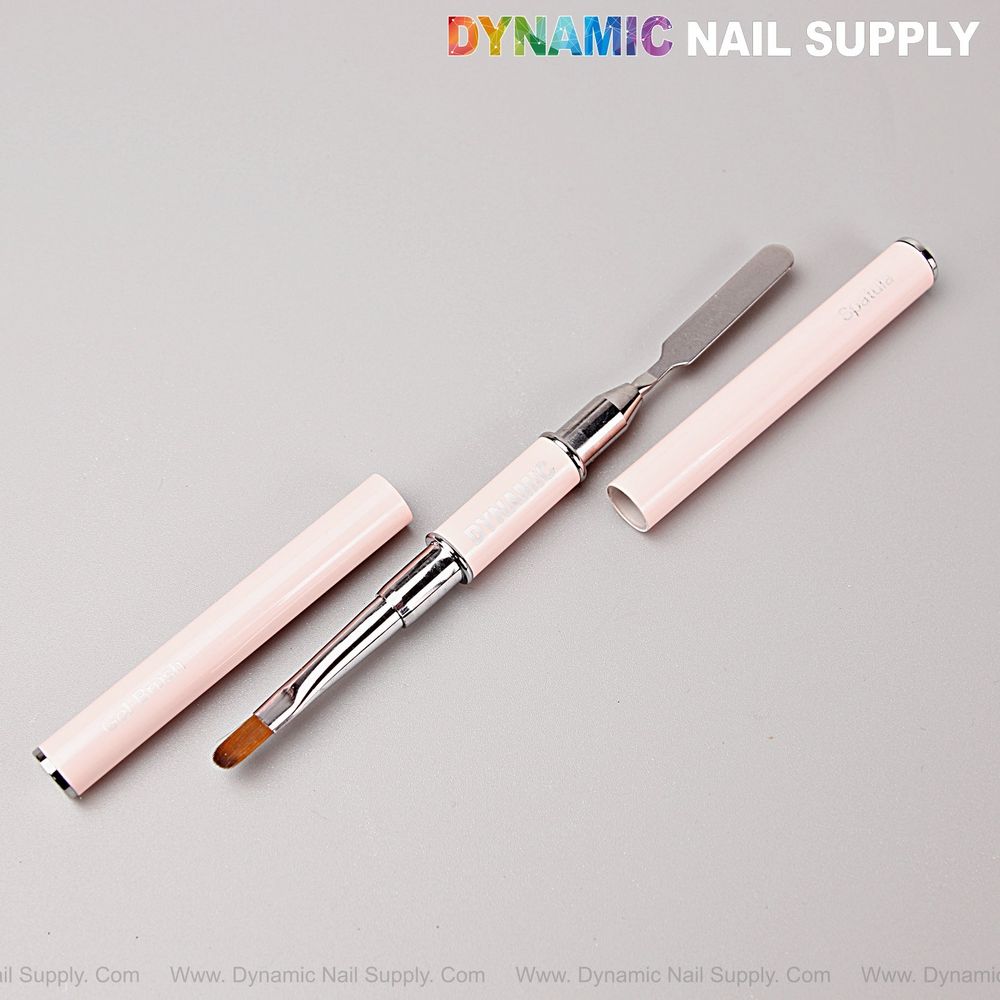
How a tool is stored affects the next service. The soft, feminine palette and polished accents of Brush0005 make it easy to spot on a busy station; protecting its shape preserves ergonomic benefits.
Use gentle storage solutions
- Lay the tool flat or upright in a holder so the bristles keep their original form and the spatula edge avoids unnecessary knocks.
- Keep it in a spot that supports quick access; shortened reach reduces repetitive strain across a shift.
- Consider a small cap or sleeve over the brush head to prevent dust and accidental deformation between clients.
Avoid cramped or exposed placement
- Do not place the tool under heavy items that compress the handle or bristles.
- Avoid tossing it into crowded drawers where repeated retrieval forces unusual grips.
Common mistake: Storing the tool with the spatula blade pressed against other metal items, causing nicks that require compensatory hand positions.
For technicians prioritizing hand health, paying attention to balance, grip length and minimizing grip changes is as important as technique. Brush0005’s dual‑ended layout, modest handle length, and materials combine to reduce unnecessary wrist motion when used correctly. For a closer look at this specific dual‑ended nail tool, see the product listing here https://dynamicnailsupply.com/products/pink-builder-poly-hard-gel-dual-head-nail-art-brush-for-gel-nails-oval-brush-head-and-spatula