
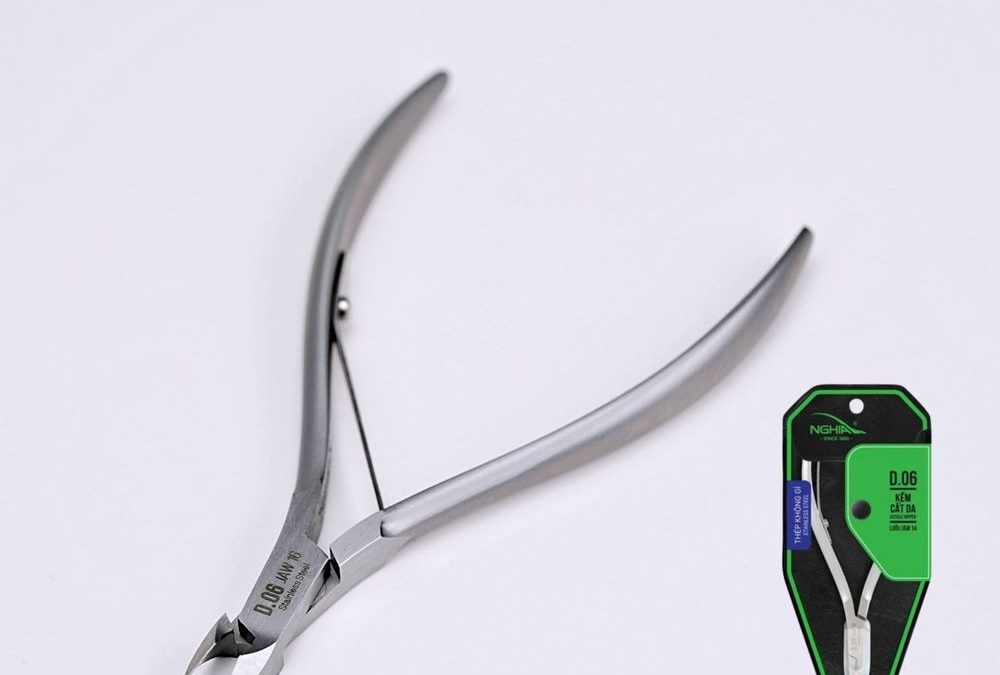
The D06 – Jaw 16 full‑jaw cuticle nipper presents a chrome-like, brushed stainless finish and an engraved model mark; maintaining that edge at home requires techniques that preserve both sharpness and the tool’s clinical look. This article lays out clear do’s and don’ts for prepping, sharpening, stropping, cleaning and storing a surgical‑grade stainless steel full‑jaw cutter suited for home manicure fans and small-salon owners.
Prepare the tool safely
Do inspect the nipper visually and by feel before sharpening. Check the engraved mark “D.06 JAW 16” and the jaw alignment under good light; small gaps or misalignment change how the blades meet. Use a clean, flat work surface with a soft towel beneath to protect the brushed finish. Wear cut‑resistant gloves if wrist or finger slips are a concern and keep a magnifier or loupe at hand to view the cutting edge.
- Do disinfect the tool with an alcohol wipe and allow it to dry; sterilization to autoclave levels is appropriate later if used in a salon.
- Don’t attempt to sharpen while the nipper is visibly dirty, oily, or with nail debris lodged in the joint.
- Don’t grip the blades directly with fingers where the cutting edge is exposed—hold by the ergonomic handles.
Sharpen with controlled strokes
Do set up a small sharpening station: a fine ceramic rod or a 1000–3000 grit whetstone, a leather strop charged with polishing compound, and a steady bench or block to rest the handles. For the full‑jaw D06 Jaw 16, use shallow, consistent passes to reestablish the bevel rather than aggressive material removal. Keep the angle low and consistent—full‑jaw cuticle nippers cut best with a fine, acute edge rather than a heavy chisel bevel.
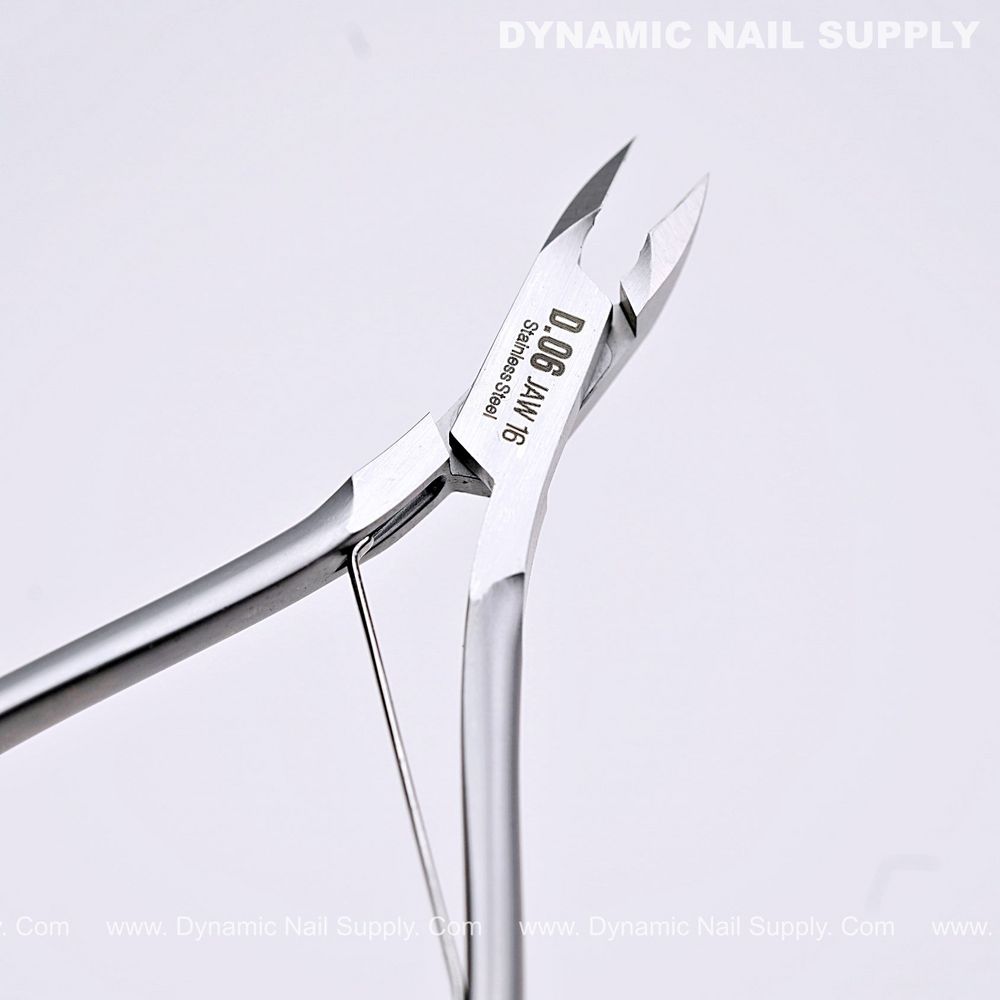
Common mistake: Rushing with coarse abrasives and steep angles will round the tip and ruin the precise full‑jaw cutting surface.
Do use the ceramic rod along the edge with light pressure and pull strokes that follow the blade profile. For a whetstone, lubricate per the stone’s instructions and move each side of the jaw evenly to preserve symmetry. Avoid using improvised files or metal rasps; these can nick the blade and damage the mirrored appearance of the stainless steel.
Recommended product reference for this technique:
Strop, test, and avoid overworking
Do strop the blades after sharpening; a few passes on a leather strop with a fine compound removes burrs and polishes the edge, improving bite without sacrificing control. Test the cut on a thin piece of cotton or a practice cuticle strip—look for a clean slice without tearing. Maintain the nipper’s smooth spring and joint by working the handles gently during the process so the mechanism remains aligned.
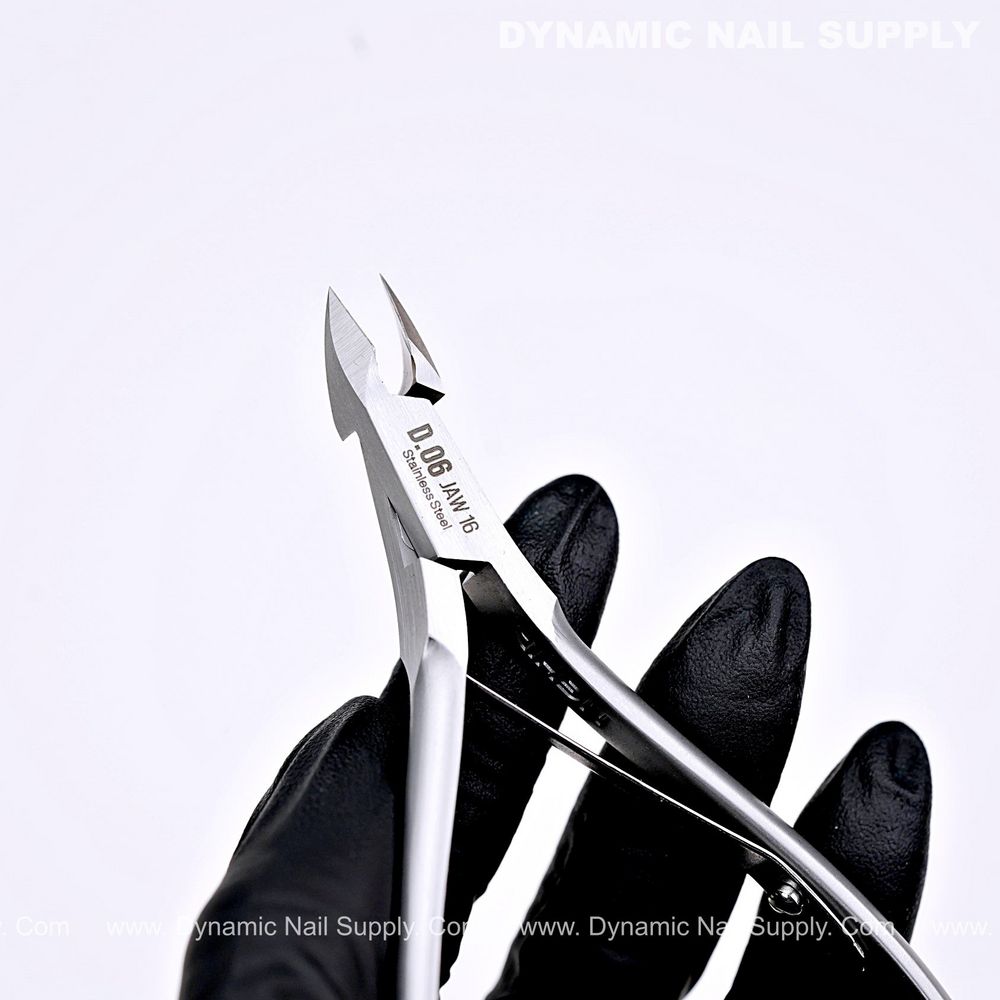
- Don’t test on live skin until you are confident the edge cuts cleanly on practice material.
- Don’t over-sharpen; excessive edge removal shortens tool life and alters jaw geometry.
Clean and protect the finish after sharpening
Do remove polishing residue with a soft cloth and a mild, nonabrasive cleaner to keep the chrome-like finish bright. Use a soft toothbrush to clear any compound from the joint and the engraved area, taking care not to nick the edge. Dry thoroughly to prevent spotting and to maintain the protective coating noted on the tool.
Common mistake: Leaving compound or stone slurry on the tool will dull the finish and can trap moisture against the metal.
Store to preserve edge and finish
Do store the D06 Jaw 16 nipper in a dedicated pouch or plastic insert to avoid contact with other metal tools. Use the original packaging with its green and black card where practical; a small foam insert or soft sleeve prevents the full‑jaw tip from rubbing against other implements. Keep stored tools in a dry area away from humid heat sources to maintain the protective coating and reduce corrosion risk.
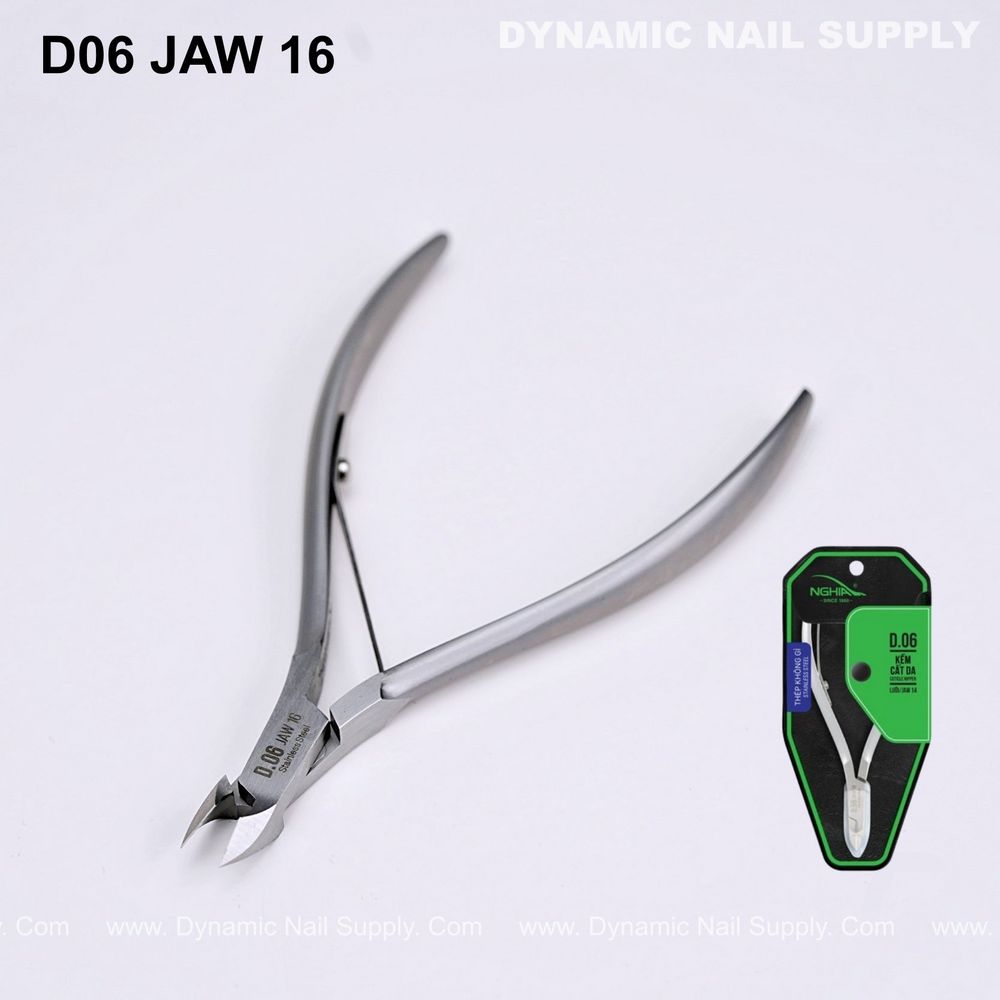
- Don’t toss sharpened nippers loose in a drawer where the tip can be nicked or the finish scratched.
- Don’t store coated polishing compounds on the tool—clean first, then store.
Quick maintenance checklist
- Inspect alignment and clean debris before any sharpening session.
- Use fine stones or ceramic rods and finish on a leather strop.
- Test on nonliving material; adjust only as needed.
- Clean residue, dry completely, then store in a protective sleeve.
Sharpening surgical‑grade, full‑jaw stainless nippers at home is practical with the right tools and a safety‑first approach; keep strokes light, preserve the chrome-like finish, and store carefully to extend service life. For the D06 – Jaw 16 full‑jaw cutter, these steps protect the engraved model mark and the precise tip while maintaining salon-ready performance.
Next step
Prepare a simple sharpening kit: ceramic rod, leather strop, mild cleaner and a soft pouch—and schedule a short practice session to build steady, controlled strokes.